

A guide to wood panelling: types, advantages and advice
With our respectful use of wood as a material we construct our dialogue with Mother Earth.
REQUEST MORE
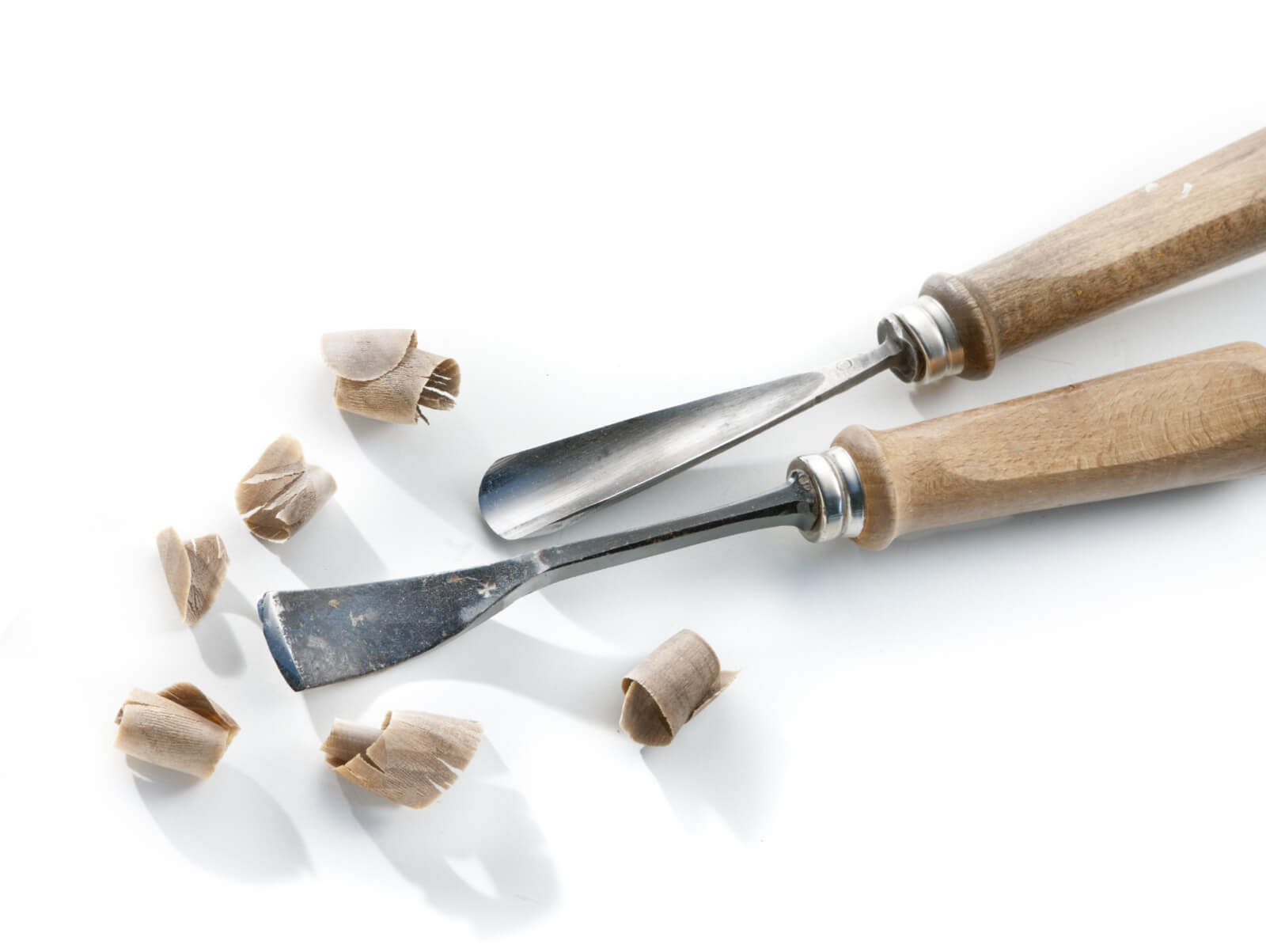
Wood panelling is one of the most refined and timeless solutions to enrich domestic and professional environments. It originated in France between the 17th and 18th centuries as a decorative covering for salons and noble residences. It has spanned the centuries with renewed style, while retaining its ability to lend elegance, warmth and character to spaces.
In this guide to wood panelling, we will explore the main types, advantages and criteria to take into account when choosing the most suitable solution for your project.
Types of Wood Panelling
The choice of panelling depends on various factors, including the desired aesthetics, the size of the room and the practical function of the panelling. The main types of wood panelling include:
- Classic panelling: characterised by carved frames, mouldings and panels; ideal for interiors with an elegant and traditional style.
- Modern panelling: clean, minimalist lines with smooth panels or subtle grooves; perfect for contemporary environments.
- High panelling: covers the wall almost entirely, transforming it into a scenic element.
- Low panelling: covers only the lower part of the wall, protecting and enriching it without weighing it down.
- Bespoke panelling: customised in size, finish and type of wood; designed to blend uniquely with the environment.
Advantages of Panelling
Opting for wood panelling means focusing not only on aesthetics, but also on functionality. The main advantages of panelling are as follows:
- Thermal and acoustic insulation: wood has natural insulating properties that contribute to comfort in the home.
- Wall protection: reduces the risk of scratches, bumps and stains.
- Aesthetic value: it enriches the space with elegance, adding personality and warmth.
- Versatility: it adapts to different styles, from classic to modern.
- Durability: if it is correctly worked and treated, solid wood retains its qualities for decades.
Choosing Wood Panelling
How can you choose the most suitable wood panelling? Some basic criteria are:
- Style of the room: classic, rustic, modern or minimalist; the wood panelling must blend harmoniously with the furniture and architecture.
- Essence of the wood: each type of wood has its own tone, grain and hardness (e.g. oak, walnut, cherry, ash).
- Height of the panelling: to be assessed according to the size of the room and the desired effect.
- Finish: natural, lacquered, oiled or brushed; to enhance the character of the material.
- Customisation: entrusting craftspeople to create tailor-made solutions allows for a unique result.
Wood panelling is not simply cladding, but an authentic furnishing element that tells the story of attention to detail and passion for the material. It can provide an atmosphere of value and intimacy in order to perfectly balance tradition and contemporaneity, be it in a living room, dining room or representative office.
If you want a project that combines art, craftsmanship and the highest quality materials, we invite you to discover Habito’s handcrafted production: our path together will transform your idea into a work of art. Contact us.
Request more information.
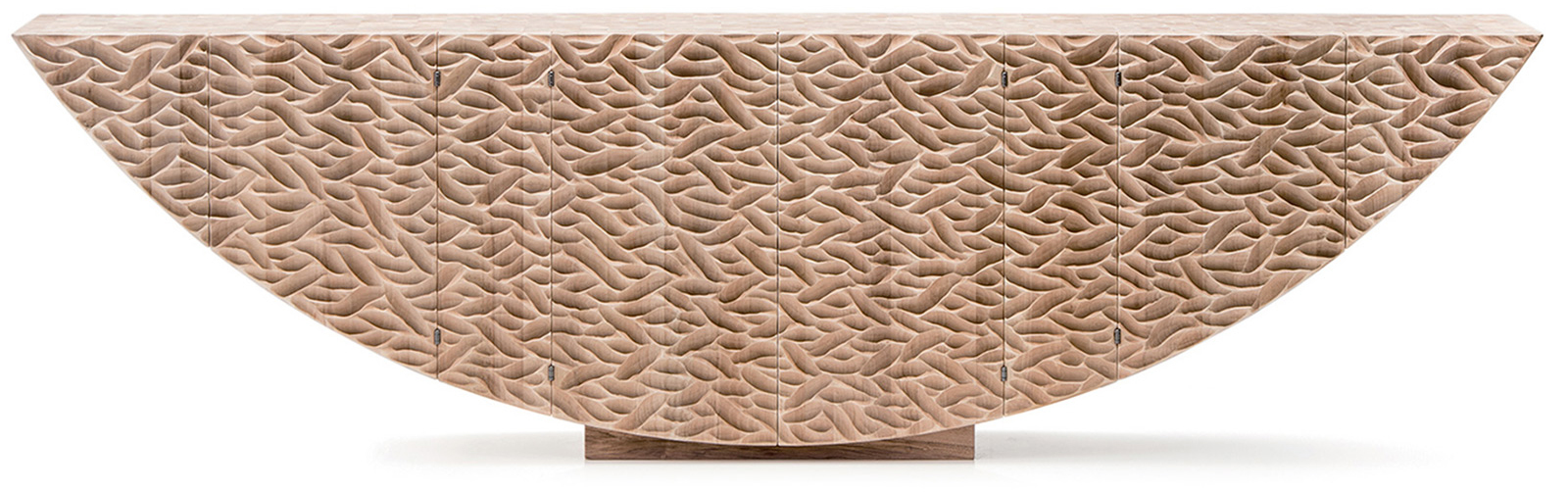
Dimensions, essences and finishes in this works are customizable.
© 2025 GIUSEPPE RIVADOSSI OFFICINA P.IVA 02246360982 cookie policy - privacy policy design by DEXA